
Country Guide • Angola
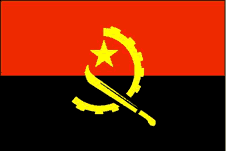
Angola, is in South West Africa. The Democratic Republic of the Congo and the Republic of Congo are to the north and east, Zambia is to the east, and Namibia is to the south. Nearly all the land in Angola is desert or savannah, with hardwood forests in the north east.
| Official Name | Republic of Angola |
|---|---|
| Area | 1,246,700km² (481,351mile²) |
| Population | 10,766,400 |
| Continent | Africa |
| Population per mile² | 22 |
| Capital City | Luanda |
| Religions | Roman Catholic 70%, Protestants 20%, but many people still belief in tribal beliefs as well |
| Language | The official language is Portuguese, although the national language is Bantu with the number of dialects spoken as varied as the Bantu sub-tribes, plus other African languages |
| Government | Multiparty republic democracy with a strong presidential system |
| Member of EU | N/A |
| Currency | New Kwanza |
| GDP | $16.9 Billion |
| GDP per Head | $1,600 |
| Natural Resources | Diamonds, petroleum, iron ore, phosphates, copper, gold, bauxite and uranium |
| Land Use | Arable Land 2.5% |
| Agriculture | Bananas, Coffee, Corn, Cotton, Fish, Manioc (tapioca), Sugarcanes, Tobacco, Vegetables, Livestock, Timber |
| Industry | Petroleum; jewellery, basic metal products, fish processing, food processing, brewing, tobacco products, sugar and textiles |
| Tourism | The death of insurgent leader Jonas Savimba in 2002 and a subsequent cease-fire with UNITA may bode well for the country, but it is not seen as a tourist location until peace in the country can be sustained |
| Natural Hazards | Heavy rainfall can cause periodic flooding on the plateau |
| Health Risks | Malaria, hepatitis A and B, rabies, and polio |
| Climate | Angola has a tropical climate varying from a moderate tropical climate to a desert climate depending on the location. Average temperatures range from 18 to 23°C in the summer to 24 to 30°C in the cooler months |
| Time | GMT/UTC+1 hour |
| National Days | November 11 |
| Visas | Visas are required and last for travel up to 90 days maximum, passports require at least 6 months validity. Yellow fever inoculation is an official requirement, and if a valid certificate is not held, is enforced on arrival at the airport |
| British Embassy | Embassy Details |
Information Only
The content above is for information purposes only and we have tried to ensure that the information is as accurate as possible. We cannot accept any responsibility for any inconvenience, loss or injury as a result of the information above. You should always check and verify any critical information like visas, health and safety and customs with the relevant authorities before you travel since information can change at any time.