
Country Guide • Nigeria
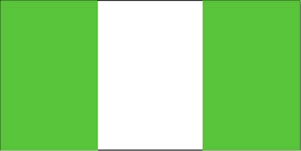
Nigeria is in West Africa. It is bound by Benin to the west, Niger to the north, Chad to the north east, Cameroon to the east and the Gulf of Guinea to the south.
| Official Name | Federal Republic of Nigeria |
|---|---|
| Area | 923,768km² (356,669mile²) |
| Population | 132,000,000 |
| Continent | Africa |
| Population per mile² | 374 |
| Capital City | Abuja |
| Religions | 45% Muslim, Protestants 26%, Roman Catholics 12%, African Christians 11%. The remainder following local native tribal beliefs |
| Language | English (official), Hausa, Yoruba, Ibo, and more than 200 others African languages |
| Government | Parliamentary Democracy |
| Currency | Naira |
| GDP | $113.5 billion |
| GDP per Head | $875 |
| Natural Resources | Natural gas, petroleum, tin, columbite, iron ore, coal, limestone, lead and zinc |
| Land Use | Arable Land 31% |
| Agriculture | Cocoa, peanuts, palm oil, corn, rice, sorghum, millet, cassava (tapioca), yams, rubber, timber fish and livestock inc. cattle, sheep, goats and pigs |
| Industry | Crude oil, coal, tin, columbite, palm oil, peanuts, cotton, rubber, wood, hides and skins, textiles, cement and other construction materials, food products, footwear, chemicals, fertilizer, printing, ceramics and steel |
| Tourism | Nigeria has two distinct regions the coastal region is a low-lying area of lagoons, sandy beaches and mangrove swamps, which merges into an area of rainforest where palm trees grow to over 30m (100ft). Further inland the country is desert and makes up the southern extent of the Sahara |
| Natural Hazards | Periodic droughts; flooding |
| Health Risks | A yellow fever vaccination is required, and cerebral malaria precautions need to be taken in Lagos and the southern coast, HIV/AIDS. Visitors to the North should be aware that there is currently an outbreak of cholera in the region |
| Climate | Nigeria has a tropical climate with two seasons. A wet season between April - October and a dry season from November - March with the wettest month being June. Average annual rainfall ranges from 50 -170inches depending on the region. Average temperature ranges are from 23°C to 32°C all year |
| Time | GMT/UTC+1 hour |
| National Days | October 1 |
| Visas | All British nationals and all other foreign nationals except for citizens of countries belonging to the Economic Community of West African States (ECOWAS) travelling to Nigeria must hold a valid visa before entering the country. Travellers holding passports with less than six months validity left may be turned away by airlines. You are advised to get a replacement passport before travelling. All visitors entering Nigeria for a temporary stay, whether they need a visa or not, must hold onward or return tickets |
| British Embassy | Embassy Details |
Information Only
The content above is for information purposes only and we have tried to ensure that the information is as accurate as possible. We cannot accept any responsibility for any inconvenience, loss or injury as a result of the information above. You should always check and verify any critical information like visas, health and safety and customs with the relevant authorities before you travel since information can change at any time.