
Country Guide • Yemen
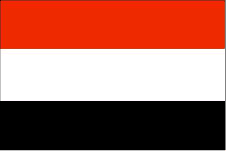
Yemen is situated on the south western corner of the Arabian Peninsula. It is bound by the Red Sea to the west, the Gulf of Aden to the south, Oman to the east and Saudi Arabia to the north. The territory also includes the islands of Socotra, Perim and Kamaran.
| Official Name | Republic of Yemen |
|---|---|
| Area | 482,682km² (186,365mile²) |
| Population | 19,349,881 |
| Continent | Middle East |
| Population per mile² | 95 |
| Capital City | San'a |
| Religions | Sunni Muslim 53%, Shiite Muslims 47%. Other religious minorities include small, although dwindling numbers of Jews. |
| Language | Arabic |
| Government | Republic |
| Currency | Rial |
| GDP | $15.7 billion |
| GDP per Head | $840 |
| Natural Resources | Petroleum, fish, rock salt, marble, small deposits of coal, gold, lead, nickel, and copper, fertile soil in west |
| Land Use | Arable Land 2.75% |
| Agriculture | Various grains, fruits, vegetables, pulses, qat (mildly narcotic shrub), coffee, cotton; dairy products, livestock inc. sheep, goats, cattle, camels, poultry and fish |
| Industry | Crude oil production and petroleum refining; small-scale production of cotton textiles and leather goods; food processing; handicrafts; small aluminum products factory; cement |
| Tourism | The British and Foreign Commonwealth Office currently state: - We therefore advise against all but the most essential travel to Yemen. British nationals visiting or resident in Yemen should consider whether their presence is essential and their personal security arrangements adequate |
| Natural Hazards | Sandstorms and dust storms in summer, droughts and floods |
| Health Risks | Malaria |
| Climate | Yemen has a hot and dry climate characterised by high humidity along the coastal regions. The mountain regions of the interior have a temperate wet summer and a cool dry winter with the greatest amount of rainfall occurring at high altitudes. Average annual rainfall varies from 20 - 36 inches depending on the region. Average temperature ranges in Aden are from 22 to 28°C in January to 29 to 37°C in July |
| Time | GMT/UTC+3 hours |
| National Days | May 22 |
| Visas | Everybody needs a visa to enter Yemen. The practice of issuing these at the airport has been suspended. You should therefore contact the Yemeni Embassy, www.yemenembassy.org.uk well in advance of your proposed departure. Travellers with Pakistani or Iranian visas or Israeli stamps in their passports are likely to be subject to long delays on entering the country. Tourist visas generally last one to three months |
| British Embassy | Embassy Details |
Information Only
The content above is for information purposes only and we have tried to ensure that the information is as accurate as possible. We cannot accept any responsibility for any inconvenience, loss or injury as a result of the information above. You should always check and verify any critical information like visas, health and safety and customs with the relevant authorities before you travel since information can change at any time.